• Home
  • APUSH Ideas
    • The APUSH Files
    • American Pageant
    • Concept Outline
    • Quizzes and Tests
    • Writing Resources
    • Retrieval Practice
    • Mastery Mnemonics
    • One Page Summaries
    • Time Period #1
    • Time Period #2
    • Time Period #3
    • Time Period #4
    • Time Period #5
    • Time Period #6
    • Time Period #7
    • Time Period #8
    • Time Period #9
    • Gilder Lehrman
    • Ten Day Review
    • Thematic Review
    • Chronological Review
Menu

APUSH RX

Ideas and Resources for Advanced Placement United States History

APUSH RX

  • Home
  • APUSH Ideas
  • RESOURCES
    • The APUSH Files
    • American Pageant
    • Concept Outline
    • Quizzes and Tests
    • Writing Resources
    • Retrieval Practice
    • Mastery Mnemonics
    • One Page Summaries
  • Time Periods
    • Time Period #1
    • Time Period #2
    • Time Period #3
    • Time Period #4
    • Time Period #5
    • Time Period #6
    • Time Period #7
    • Time Period #8
    • Time Period #9
  • EXAM PREP
    • Gilder Lehrman
    • Ten Day Review
    • Thematic Review
    • Chronological Review
1992 Candidates.jpg

APUSH Ideas

APUSH Rx blog is a resource for AP U.S. History teachers looking for practical ideas, classroom strategies, and fresh approaches to teaching and review. Drawing on more than 30 years of classroom experience, the blog explores retrieval practice, historical thinking skills, APUSH exam preparation, primary sources, thematic and chronological review, and creative ways to help students make meaningful connections across American history.

Rethinking APUSH Review: Why It Should Start in August, Not April

August 18, 2026 Rick Hengsterman

For years, I treated APUSH review as something that happened after the learning was done. I built pacing guides, planned unit tests, and penciled in review days along the way. By April, review became a race to revisit everything students had learned since September.

Eventually, I realized I had the model backwards.

What if review didn’t require more instructional time? What if it became part of the learning itself?

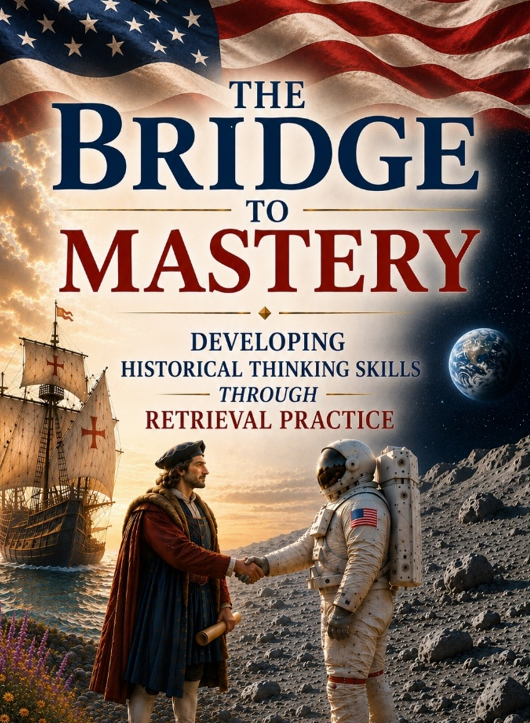
That idea became the foundation of my Retrieval Bridge framework. Instead of simply asking students, “What did we learn last week?” I began asking a different question:

“How does what we already know help us understand what we’re about to learn?”

A five-minute retrieval activity at the beginning of class can reactivate earlier content while helping students make sense of something new. Review stops being an event scheduled before a test and becomes something students do throughout the year.

This year, I’ll be sharing these connections throughout the APUSH curriculum, along with ready-to-use prompts, historical context, and the thinking behind the strategy.

You don’t need to wait until April to start reviewing for May. You can start in August.

follow full series on substack
← Mastery with Mnemonics: A Year-Long Guide to Surviving (and Actually Remembering) A.P. U.S. History

Powered by Squarespace